
ARTICLE
How Your Everyday Wardrobe Staples
Perform on Your Skin
BY JAMILLAH ZOLETA

The Zoleta sisters, fashion enthusiasts, photographed in Milan, Italy.
People spend time looking for skincare products that promise healthier and calmer skin. But what touches your skin the most is not sitting on your bathroom shelf; it could be hanging in your closet.
The clothes you wear are in contact with your skin all day, every day. This fabric determines how much heat, sweat or air reaches your system. When a material does not complement well with your skin, it can cause irritation and sensitivity.
Among the most common fabrics found in everyday wardrobes are cotton, linen and polyester. These are staples because they are comfortable, durable and versatile. However, despite looking the same on a rack, they make very different environments against your skin as they react differently to heat and friction. In the Philippines, where heat and humidity are a daily reality, carefully thinking of your clothing choices matters even more.
Cotton: The Everyday Skin-Friendly Classic
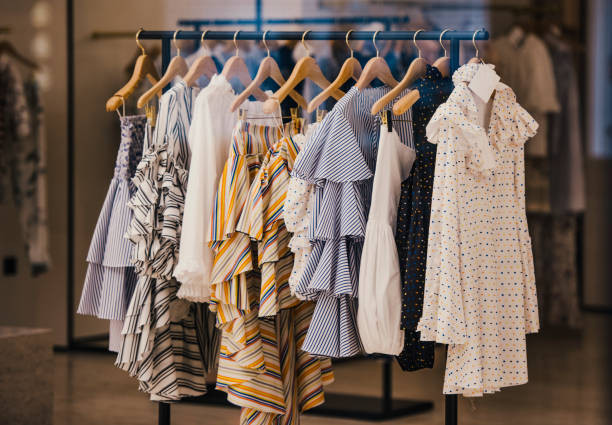
Cotton has become known as one of the comfortable and recommended fabrics for everyday wear. It’s made from natural plant fibers, making it soft, breathable and absorbent. The material pulls moisture away from the skin and evaporates it more easily because it lets air flow than trap it.
Given that cotton reduces heat buildup and friction, there’s less possibility of skin irritation. Dermatologists often recommend cotton for people with skin conditions like eczema because its smooth fibers are gentler on the skin, helping reduce friction and prevent inflammation.
However, cotton is not perfect. While the fabric’s breathability makes it a comfortable choice, it can stay damp for a long period of time if it absorbs too much moisture. Remaining in damp clothes can lead to bacterial or fungus growth, increasing the risk of body odor, folliculitis or fungal infections.
Best for: Sensitive skin, daily wear and sleeping
Linen: Made For The Heat
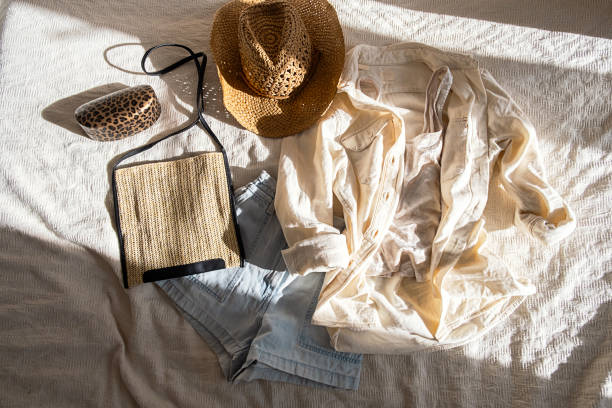
If cotton is known for comfort, linen is built for extreme heat.
Made from natural flab fibers, linen is a weave that allows exceptional airflow. Rather than trapping warm air between your skin and your clothes, it lets heat escape quickly, which helps regulate body temperature. The increased airflow makes it popular in tropical climates as it efficiently releases heat.
Another advantage is its textured surface. Because linen often sits a little away from the skin than tightly woven fabrics, it creates tiny air pockets that improve ventilation. That’s why linen clothing feels cool almost immediately after putting it on.By allowing more air to move through the material, it dries much faster than cotton, preventing sweat from sitting on your skin for extended periods. For people who spend long hours outdoors, linen offers one of the best combinations of comfort and ventilation.
While it sounds too good to be true, it has its own trade-off. Linen wrinkles easily and can feel slightly rougher than cotton, especially before repeated washing. People with highly sensitive skin may prefer cotton blends for maximum comfort.
Best for: Hot climates, people who sweat easily and summer outfits.
Polyester: Durable… but Different
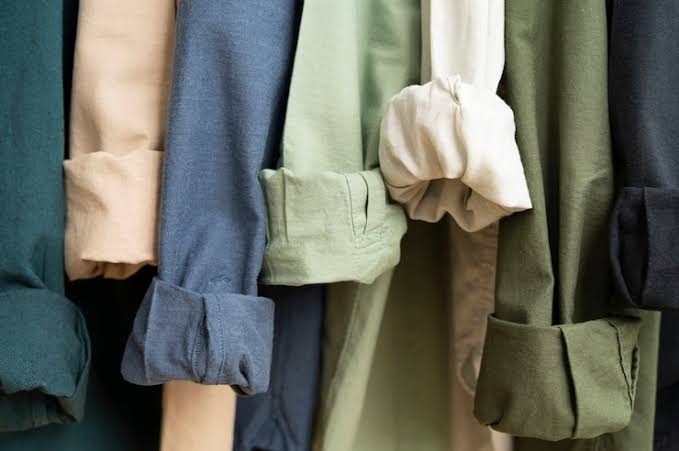
Polyester behaves differently from natural fibers because it is artificial.
Unlike cotton or linen, polyester is a synthetic fiber made from petroleum-based materials. Instead of absorbing moisture, it is designed to repel water, which means sweat often stays on the surface of the skin until it evaporates — or until the fabric becomes saturated.
This can be helpful in athletic clothing engineered with moisture-wicking technology, where sweat is pulled away from the skin through specially designed fabric structures. However, inexpensive polyester garments without these features tend to trap heat, humidity and oils against the body. In turn, it contributes to clogged pores, body acne and irritation, particularly on the back, chest and shoulders.
Also, polyester fibers can hold onto bacteria more stubbornly than natural fabrics. It can then continue smelling even after they’ve been washed.
Best for: Sportswear designed with moisture-wicking technology and situations where durability matters.
So, Which Fabric Wins?
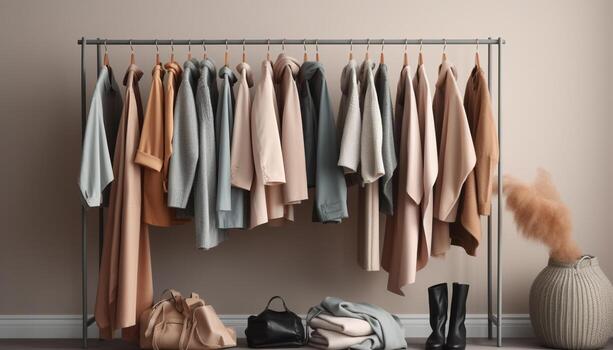
The best fabric will always depend on what your skin needs.
If comfort and sensitivity are your priorities, cotton remains the safest everyday choice. If you’re battling tropical heat or spending hours outdoors, linen provides the best ventilation and cooling. If you’re exercising, high-quality moisture-wicking polyester performs well.
Ultimately, healthy skin isn’t just about the products you apply. The fabric touching your body all day affects temperature, moisture and even the microbes living on your skin. Choosing the right material can make the difference between feeling fresh and comfortable, or ending the day overheated and breaking out.
Leave a Reply