
ARTICLE
Wear and Tear: The Compromise of
Fashion and Health
BY MARIEL BADURIA

We obsess over what goes into our bodies and what goes directly onto our skin. We read nutrition labels to avoid ultra-processed foods, scrutinize skincare products for sulfates or parabens and spend thousands on serums to achieve that glow. Yet, we rarely give a second thought to the material wrapping our bodies for hours each day.
It is time to acknowledge a massive blind spot in modern wellness and fashion culture: clothing is not just an aesthetic choice; it is a critical daily health decision.
The human skin is our largest organ, serving as a dynamic, semi-permeable barrier that constantly breathes, regulates temperature and excretes sweat. What we layer over this determines the microclimate surrounding it. When heat, sweat and synthetic textiles meet, a micro-environment is created. It is one that either supports our physiological performance or actively sabotages our physical comfort and skin microbiome.
The Science of the “Sweat Trap”

To understand why your outfit choices matter, we have to look at how textiles interact with human thermoregulation. When ambient temperatures rise, a permanent reality in tropical climates like the Philippines, our bodies produce sweat to cool down through evaporation.
But for evaporation to work, moisture must escape into the surrounding air. Natural fibers like linen and cotton feature porous molecular structures that allow air circulation and vapor transmission.
Synthetic fabrics (like standard non-engineered polyester or nylon), on the other hand, are essentially drawn plastic fibers derived from petroleum polymers. Plastic does not absorb moisture, it repels it. When you spend a high-stress afternoon commuting or sitting in a warm room wrapped in cheap synthetics, your skin becomes trapped in what textile scientists call a high-humidity microclimate.
Research shows that prolonged exposure to trapped moisture alters skin hydration levels and weakens the outermost layer of the skin. This damp, warm barrier creates a breeding ground for microorganisms like Staphylococcus aureus and Malassezia yeast, which directly trigger condition issues such as back acne, chafing between folds and fungal folliculitis.
Performance and “Tiis Ganda”

The physical impact doesn’t stop at minor skin irritation. There is a deeply ingrained cultural idea of “tiis ganda,” enduring physical discomfort for the sake of looking good. But carrying this mentality into our daily lives comes at a physiological cost.
When your clothing fails to regulate heat and sweat properly, your heart rate elevates slightly higher as your body works overtime to cool itself down. Whether you are sprinting to catch a one-hour public transit commute or trying to focus during a 5-kilometer run, wearing non-breathable, restrictive fabrics forces your energy toward basic thermoregulation instead of peak performance.
Choosing breathable fabrics or purpose-engineered technical activewear isn’t about being fancy; it’s about giving your body the baseline conditions it needs to function effectively.
Making The Switch
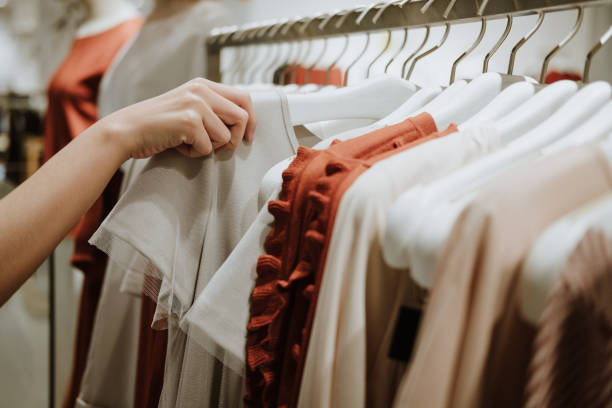
We don’t need to throw out our entire wardrobe overnight or live in fear of synthetic blends. But we do need to bring the same mindfulness to our closets that we bring to our pantries and bathroom shelves. Start reading garment tags with the same scrutiny you give to skincare ingredients. Recognize that what touches your skin all day dictates how your skin performs, breathes and heals.
Leave a Reply